Medical Simulation
Medical Simulation Jobs - What Are They and How to Get One
By ZipRecruiter Marketplace Research Team
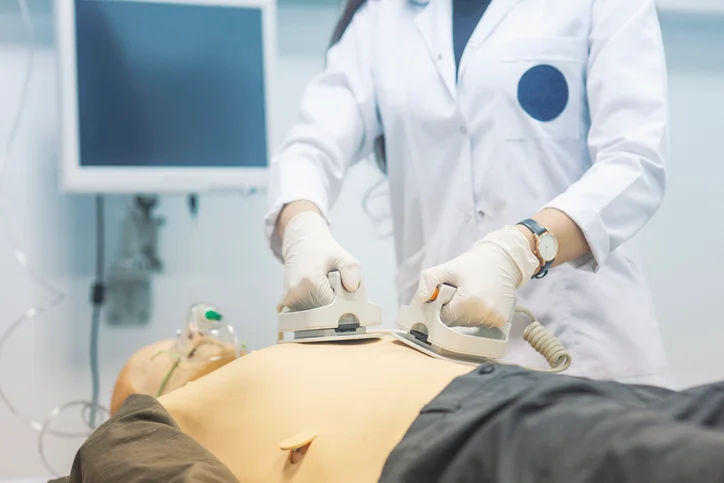
Table of Contents
What Are Medical Simulation Jobs?
Jobs in the medical simulation field include simulation technicians or specialists, simulation coordinators, and simulation operators. Your responsibilities as a simulation operator include operating the equipment used for simulation, maintaining or adjusting the equipment, operating audio and video equipment, facilitating training, creating troubleshooting documents, and providing orientation to personnel. As a simulation program coordinator, you implement, develop, and evaluate integrated simulated clinical experiences. You also work to ensure the right learning outcomes for participants as defined in the syllabus. A simulation technician or specialist’s duties include programming the simulator software, performing preventative maintenance to keep the simulators working, helping with record keeping and data input, and giving tours to people who use the simulators.
What Are the Qualifications to Get a Medical Simulation Job?
The qualifications for a medical simulation job vary with the position. To become a simulation technician or specialist, you need at least an associate degree in health technology or science. If you are an EMT, this can work in an entry-level position in simulation. Employers prefer if you have your Society for Simulation in Healthcare CHSOS certification. It is also helpful to have experience with simulation and audio and visual equipment. A simulation operator should have five years of clinical experience, management skills, and an understanding of surgical and trauma events and medical terminology. A medical background as an EMT or LPN is preferable. A simulation coordinator should have a bachelor’s degree in nursing or a similar field, an active license in nursing or a similar field, working knowledge of Microsoft office, and clinical experience.
What Is Medical Simulation?
Medical simulation is a learning tool that uses simulated technology. Medical simulation trains and educates healthcare providers and medical students about procedures and patient care. Students and professionals use simulation at many steps of their training, such as CPR training, nursing programs, medical school programs, and at hospitals to help further train or test the healthcare staff. The equipment usually includes a mannequin, separate parts of the body, or similar equipment. For example, to practice blood drawing, you learn on just an arm. Simulation training can occur in the field to learn emergency response methods or in a laboratory that has the same design as a hospital room, operating suite, or trauma bay.
Discover new job openings
By clicking "Continue", I agree to the ZipRecruiter Global Terms of Use Agreement and acknowledge I have read the Privacy Policy and agree to receive email job alerts.