Remote Video Editor
What Is a Remote Video Editor and How to Become One
By ZipRecruiter Marketplace Research Team
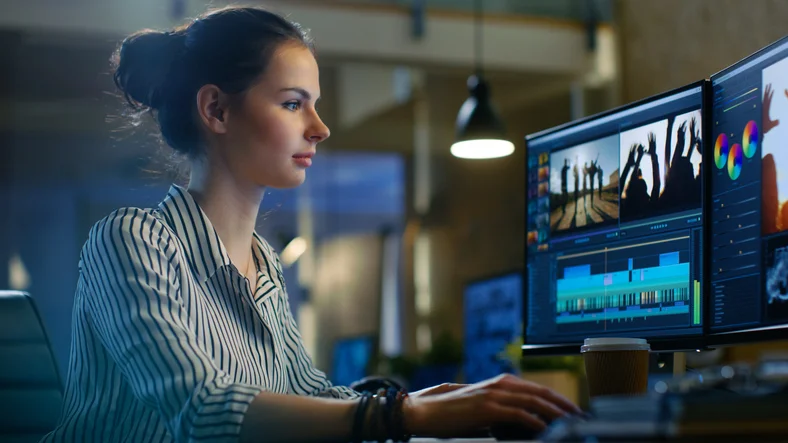
Table of Contents
What Does a Remote Video Editor Do?
Remote video editors, also called home-based editors or freelance editors, cut and realign multiple film shots into a cohesive story. While in-house editors work in the office, remote video editors perform their job duties from home or another location outside of the office. They use a variety of computer software and equipment to alter and edit images digitally. Remote video editors are in charge of taking raw film footage, pulling out the best shots that have the best sound and imagery, and putting it back together as seamlessly as possible. Other businesses outside of the film industry also use remote video editors to create promotional videos, educational and training videos, and presentations for clients.
What Qualifications Do You Need to Become a Remote Video Editor?
Though there are no formal education requirements to become a remote video editor, many editors earn a bachelor's degree in video production, film production, multimedia arts, mass communications, or a related field. Degree programs like these provide hands-on experience with standard software and editing equipment used in the industry. Some choose not to earn a degree and opt instead to learn the craft on their own by taking online classes. Acquiring an internship or an entry-level position with an advertising agency, marketing company, or media firm also provides opportunities to learn on the job. Cultivate your editing skills by learning from veteran editors before seeking a remote video editor position.
Where Can a Remote Video Editor Work?
Remote video editors can work anywhere there is a need for film editing. Many of them work for production studios or media companies, but other industries also use remote video editors. Large companies hire them to help create presentations or viral internet content of a company and its culture. Local television stations use video editors to produce news stories and highlight sporting events. Remote video editors also work on advertisements and commercial marketing campaigns. Because they work outside of the office, remote video editors can choose the physical location of where they work, as long as there is an internet connection and editing equipment available.
What Are Standard Tools Used by Remote Video Editors?
Remote video editors use a variety of computer software and equipment to complete their projects. Video editing is now primarily done on computers; because software changes so often, it is crucial that a remote video editor has a machine that can keep up with the updates. A quick-processing, reliable computer is the most essential piece of equipment used by home-based video editors. Platforms such as Final Cut Pro and iMovie editing software allow remote video editors to splice together their projects quickly and efficiently. Other examples of standard software used by remote video editors are Adobe Creative Cloud, which includes Adobe Premiere, and Photoshop.
Discover new job openings
By clicking "Continue", I agree to the ZipRecruiter Global Terms of Use Agreement and acknowledge I have read the Privacy Policy and agree to receive email job alerts.