Entry Level Geophysicist
What Is an Entry Level Geophysicist and How to Become One
By ZipRecruiter Marketplace Research Team
What Does an Entry-Level Geophysicist Do?
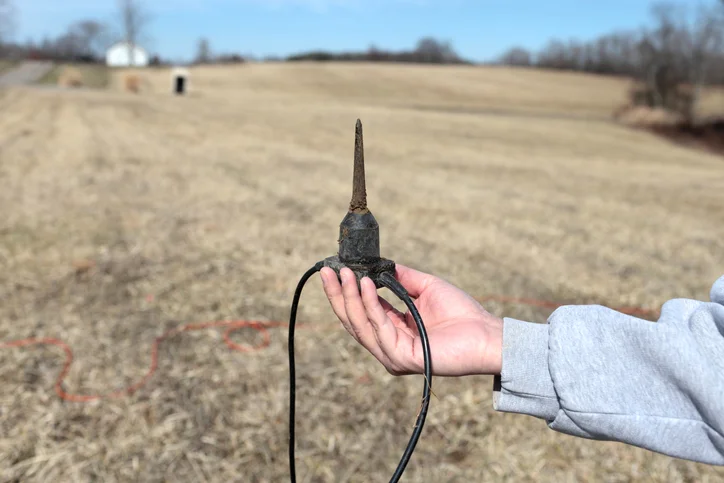
Entry-level geophysicists utilize industry technology to view and understand what shapes the earth, both above and below ground. As an entry-level geophysicist, you complete your tasks under the direction of a senior geophysicist. Your job duties may include collecting samples, reviewing geophysical data, and monitoring anomalies. Once you have some experience in the field, you may be expected to give an analysis of the information, prepare reports, and provide insight and assessments to various industries and projects that require this information. These reports help archaeologists, anthropologists, those in the seismic field, engineers involved with fossil fuel and mines, and construction workers. An entry-level geophysicist can work in the field or spend the majority of their time in the lab.
How to Become an Entry-Level Geophysicist
To become an entry-level geophysicist, you need a bachelor’s degree in geoscience, geophysics, or a related field. Some obtain an entry-level position while completing a master's degree or doctorate. Taking classes in geology, math, environmental planning, geography, and landscapes provide you with the qualifications you need to handle geophysicist responsibilities. You must be familiar with tectonic and geological systems, know real-world applications, understand how to collect and study field samples, and be comfortable working in various weather and environmental conditions. To be successful in this career, you need analytical thinking, organizational skills for recording data, and interpersonal skills when communicating with senior geophysicists and other scientists.
Discover new job openings
By clicking "Continue", I agree to the ZipRecruiter Global Terms of Use Agreement and acknowledge I have read the Privacy Policy and agree to receive email job alerts.