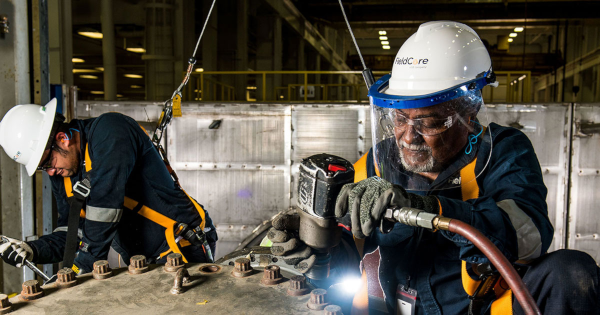
Deepwater I&E Technician
Houma, LA · On-site
High School Diploma or Equivalent * 5+ years instrumentation / electrical experience in the oil and gas industry, preferably in an offshore environment
Houma, LA · On-site
High School Diploma or Equivalent * 5+ years instrumentation / electrical experience in the oil and gas industry, preferably in an offshore environment
Houma, LA · On-site
High School Diploma or Equivalent * 5+ years instrumentation / electrical experience in the oil and gas industry, preferably in an offshore environment
High School Diploma or Equivalent * 5+ years instrumentation / electrical experience in the oil and gas industry, preferably in an offshore environment
High School Diploma or Equivalent * 5+ years instrumentation / electrical experience in the oil and gas industry, preferably in an offshore environment
High School Diploma or Equivalent * 5+ years instrumentation / electrical experience in the oil and gas industry, preferably in an offshore environment
High School Diploma or Equivalent * 5+ years instrumentation / electrical experience in the oil and gas industry, preferably in an offshore environment
Galveston, TX · On-site
High School Diploma or Equivalent * 5+ years instrumentation / electrical experience in the oil and gas industry, preferably in an offshore environment
Galveston, TX · On-site
High School Diploma or Equivalent * 5+ years instrumentation / electrical experience in the oil and gas industry, preferably in an offshore environment
Houma, LA · On-site
High School Diploma or Equivalent * 5+ years instrumentation / electrical experience in the oil and gas industry, preferably in an offshore environment
Houma, LA · On-site
High School Diploma or Equivalent * 5+ years instrumentation / electrical experience in the oil and gas industry, preferably in an offshore environment
Galveston, TX · On-site
High School Diploma or Equivalent * 5+ years instrumentation / electrical experience in the oil and gas industry, preferably in an offshore environment Employment Type: OTHER
Galveston, TX · On-site
High School Diploma or Equivalent * 5+ years instrumentation / electrical experience in the oil and gas industry, preferably in an offshore environment Employment Type: OTHER
Houston, TX · On-site
High School Diploma or Equivalent * 5+ years instrumentation / electrical experience in the oil and gas industry, preferably in an offshore environment Employment Type: OTHER
Houston, TX · On-site
High School Diploma or Equivalent * 5+ years instrumentation / electrical experience in the oil and gas industry, preferably in an offshore environment Employment Type: OTHER
High School Diploma or Equivalent * 5+ years instrumentation / electrical experience in the oil and gas industry, preferably in an offshore environment Employment Type: OTHER
High School Diploma or Equivalent * 5+ years instrumentation / electrical experience in the oil and gas industry, preferably in an offshore environment Employment Type: OTHER
The Electrical & Instrumentation Drafter will be responsible for preparing 3D models and 2D drawings for the design of complex offshore/onshore E&I systems utilizing CAD software. Job Duties and ...
The Electrical & Instrumentation Drafter will be responsible for preparing 3D models and 2D drawings for the design of complex offshore/onshore E&I systems utilizing CAD software. Job Duties and ...
The Electrical & Instrumentation Drafter will be responsible for preparing 3D models and 2D drawings for the design of complex offshore/onshore E&I systems utilizing CAD software. Job Duties and ...
The Electrical & Instrumentation Drafter will be responsible for preparing 3D models and 2D drawings for the design of complex offshore/onshore E&I systems utilizing CAD software. Job Duties and ...
Houma, LA · On-site
High School Diploma or Equivalent * 5+ years instrumentation / electrical experience in the oil and gas industry, preferably in an offshore environment Employment Type: OTHER
Houma, LA · On-site
High School Diploma or Equivalent * 5+ years instrumentation / electrical experience in the oil and gas industry, preferably in an offshore environment Employment Type: OTHER
Beaumont, TX · On-site
High School Diploma or Equivalent * 5+ years instrumentation / electrical experience in the oil and gas industry, preferably in an offshore environment Employment Type: OTHER
Beaumont, TX · On-site
High School Diploma or Equivalent * 5+ years instrumentation / electrical experience in the oil and gas industry, preferably in an offshore environment Employment Type: OTHER
May be required to work on offshore platforms * English proficiency required Desired Characteristics: * Experience in instrumentation, controls, installing, calibrating, maintaining and repairing ...
May be required to work on offshore platforms * English proficiency required Desired Characteristics: * Experience in instrumentation, controls, installing, calibrating, maintaining and repairing ...
May be required to work on offshore platforms * English proficiency required Desired Characteristics: * Experience in instrumentation, controls, installing, calibrating, maintaining and repairing ...
May be required to work on offshore platforms * English proficiency required Desired Characteristics: * Experience in instrumentation, controls, installing, calibrating, maintaining and repairing ...
AL · On-site
High School Diploma or Equivalent. * 5+ years instrumentation/electrical experience in the oil and gas industry, preferably in an offshore environment.
AL · On-site
High School Diploma or Equivalent. * 5+ years instrumentation/electrical experience in the oil and gas industry, preferably in an offshore environment.
Mobile, AL · On-site
High School Diploma or Equivalent. * 5+ years instrumentation/electrical experience in the oil and gas industry, preferably in an offshore environment.
Mobile, AL · On-site
High School Diploma or Equivalent. * 5+ years instrumentation/electrical experience in the oil and gas industry, preferably in an offshore environment.
High School Diploma or Equivalent. * 5+ years instrumentation/electrical experience in the oil and gas industry, preferably in an offshore environment. Employment Type: OTHER
High School Diploma or Equivalent. * 5+ years instrumentation/electrical experience in the oil and gas industry, preferably in an offshore environment. Employment Type: OTHER
Looking for experienced I&E Technician for Offshore & on land field service work. Must have experience with the following: 480VAC, 240/120VAC, 24VDC, 12VDC, Motors, MCC, NEC, GAI-Tronics, General ...
Looking for experienced I&E Technician for Offshore & on land field service work. Must have experience with the following: 480VAC, 240/120VAC, 24VDC, 12VDC, Motors, MCC, NEC, GAI-Tronics, General ...
Looking for experienced I&E Technician for Offshore & on land field service work. Must have experience with the following: 480VAC, 240/120VAC, 24VDC, 12VDC, Motors, MCC, NEC, GAI-Tronics, General ...
Looking for experienced I&E Technician for Offshore & on land field service work. Must have experience with the following: 480VAC, 240/120VAC, 24VDC, 12VDC, Motors, MCC, NEC, GAI-Tronics, General ...
Shall act as a conduit for inputs and field information to offshore team (Bengaluru, India) team ... and instrumentation related assets. * A portion of the fieldwork may involve travel and overnight ...
Quick apply
Shall act as a conduit for inputs and field information to offshore team (Bengaluru, India) team ... and instrumentation related assets. * A portion of the fieldwork may involve travel and overnight ...
$20.37 is the 25th percentile. Wages below this are outliers.
$14.90 - $20.54
26% of jobs
The median wage is $25.45 / hr.
$20.54 - $26.18
28% of jobs
$29.52 is the 75th percentile. Wages above this are outliers.
$26.18 - $31.82
36% of jobs
$31.82 - $37.46
5% of jobs
$37.46 - $43.09
4% of jobs
$43.09 - $48.73
0% of jobs
$48.73 - $54.37
0% of jobs
$54.37 - $60.01
0% of jobs
$60.01 - $65.65
0% of jobs
$65.65 - $71.28
0% of jobs
$71.28 - $76.92
1% of jobs
$14
$28
$76
| Aspect | Offshore Instrumentation | Offshore Electrical Technician |
|---|---|---|
| Certifications | ISA certifications, safety training | Electrical trade certifications, safety training |
| Work Environment | Oil & gas platforms, offshore facilities | Oil & gas platforms, offshore facilities |
| Job Focus | Installing, maintaining, calibrating instruments and control systems | Installing, maintaining, troubleshooting electrical systems |
| Industry Usage | Commonly used in process control and automation | Commonly used in electrical system maintenance |
Offshore Instrumentation and Offshore Electrical Technicians often work in similar environments and require safety and technical certifications. However, instrumentation roles focus on control systems and sensors, while electrical technicians handle electrical wiring and systems. Both roles are essential in offshore operations, but their specific skills and responsibilities differ.
Offshore instrumentation jobs focus on the design, installation, calibration, and maintenance of control instruments on an offshore oil or gas rig. Common job titles include offshore instrument technician and offshore instrument engineer. As an offshore instrument engineer, you design or customize sensors and equipment for use on an offshore installation. As an offshore instrument technician, your duties and responsibilities involve performing planned and unplanned maintenance on sensors, instruments, and safety systems on the oil rig. Offshore instrument engineers work with technicians to install the instrumentation and test it to ensure that it works effectively and meets safety standards during operation.

7.2
Based on 17 frontline employees who took The Breakroom Quiz
50th of 86 rated oil and gas companies

Sourced by ZipRecruiter
Construction
501 - 1,000 Employees
Gray, LA, US
1947