In collaboration with the interdisciplinary team, provides care coordination services evaluating options and services required to meet an individual's health care needs to promote cost-effective, quality outcomes. Serves as a consultant to members of the health care team in the management of specific patient populations. The RN case manager role integrates the functions of utilization management, quality management, discharge planning assessment, and coordination of post-hospital care services, including transfers to an alternative level of care.
Essential Duties:
- Clinical Care Coordination Able to effectively manage a case load of 18-20 patients Utilizes the on line Work list to manage daily assigned caseload. Assess physical and biopsychosocial needs of the patient through clinical assessment and utilizing data from multiple sources. Analyze and interpret data in collaboration with patient, family, physician, health care team to develop a plan of care. Ensures that a physician specific plan of care is in place for all patients. Actively participates in interdisciplinary meetings. Initiates a discharge planning assessment within 24 business hours of admission and documents in computer system. Assesses ongoing discharge planning needs and documents is computer system as changes to the plan occur. Demonstrates collaborative working relationship with social workers to ensure patient psychosocial needs are met. Participates in physician and unit rounds. Completes Medicare One Day Stay forms timely. Completes disposition form for medicare patients timely.
- Consultant Demonstrates sound clinical knowledge base. Serves as a consultant to the health care team to identify financial issues that may affect care. Participates in the education of health care team members on current healthcare issues impacting practice patterns and reimbursement. Educates physicians and health care team on observation status, as appropriate.
- Leadership Represents the department in a positive and professional manner. Assists with orientation of new staff. Delegates and assists with supervision of Case Management Assistants. Makes appropriate referrals to Physician Advisor, communicating accurate clinical information. Participates in InterQual competency testing as requested by department director.
- Outcomes Management Participates in core measure process in identification of appropriate patients. Participates in hospital quality improvement processes and helps identifies opportunities to improve care. Adheres to TENET policies and procedures. Identifies compliance and ethical issues and reports appropriately.
- Patient Advocacy Respects patient/family values and beliefs. Responds promptly to patient/family requests. Supports patient/family with end of life issues, making appropriate referrals. Include patient/family in care decisions and discharge planning.
- Patient Education Assist health care team with identification of patient/family educational needs for discharge. Inform patient/family of discharge plans. Work with post acute services to address educational needs to ensure a safe discharge plan.
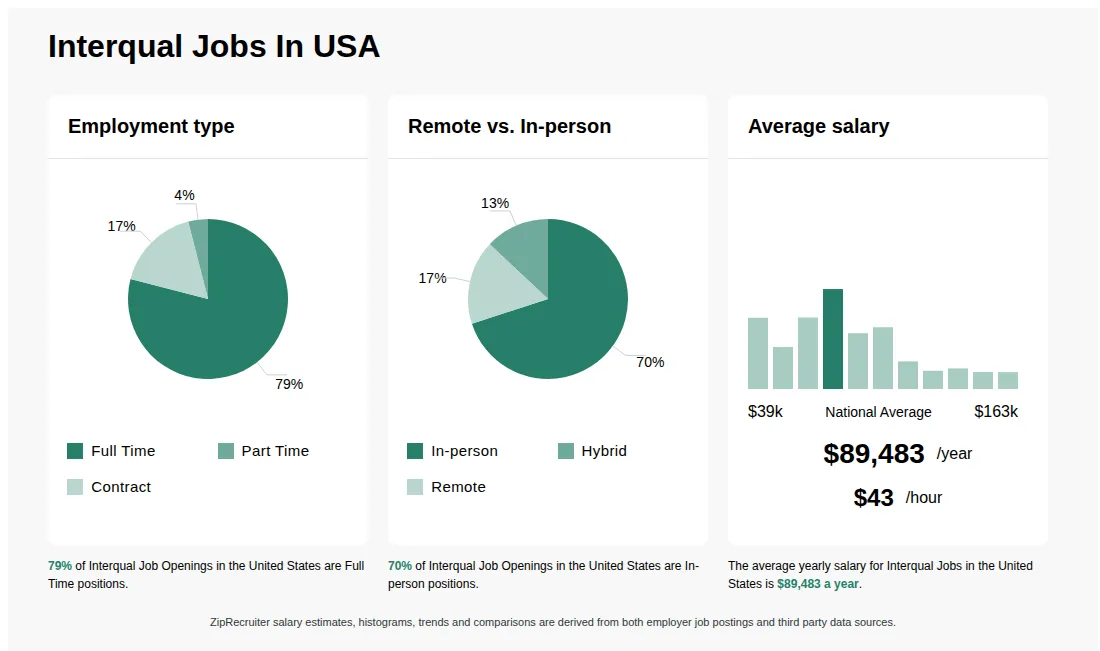
- Resource Management Proposes alternative treatment options to ensure a cost effective and efficient plan of care. Identifies and creates solutions to remove barriers that may impede optimal patient care. Identifies and documents avoidable delays in the M drive. Maintains awareness of current managed care contract requirements. Participates in appeal process. Performs and documents InterQual assessments upon admission Performs and documents InterQual assessments upon a change in level of care Performs and documents InterQual assessments at least every three days Performs and documents InterQual assessments upon discharge. Completes clinical reviews timely and communicates to appropriate payer. Able to prioritize clinical reviews. Documents payer communication and authorization in the Authorization log. Completes and submits TAR's for processing within 3 working days of patient discharge. Notifies director and physician advisor timely of patients who do not meet InterQual criteria. Other duties as requested or assigned.
Required Qualifications:
- Req Associate's Degree Nursing
- Req 5 years Clinical acute care nursing experience
- Req 2 years Case management experience within the past five (5) years.
- Req Knowledge of case management principles and healthcare management.
- Req Problem solving skills and ability to multi-task.
Preferred Qualifications:
- Pref Bachelor's Degree Nursing
Required Licenses/Certifications:
- Req Registered Nurse - RN (CA DCA)
- Req Basic Life Support (BLS) Healthcare Provider from American Heart Association
- Req Fire Life Safety Training (LA City) If no card upon hire, one must be obtained within 30 days of hire and maintained by renewal before expiration date. (Required within LA City only)
The hourly rate range for this position is $47.31 - $100.00. When extending an offer of employment, the University of Southern California considers factors such as (but not limited to) the scope and responsibilities of the position, the candidate's work experience, education/training, key skills, internal peer equity, federal, state, and local laws, contractual stipulations, grant funding, as well as external market and organizational considerations.
USC is an equal opportunity employer. All qualified applicants will receive consideration for employment without regard to race, color, religion, sex, sexual orientation, gender identity, national origin, protected veteran status, disability, or any other characteristic protected by law or USC policy. USC observes affirmative action obligations consistent with state and federal law. USC will consider for employment all qualified applicants with criminal records in a manner consistent with applicable laws and regulations, including the Los Angeles County Fair Chance Ordinance for employers and the Fair Chance Initiative for Hiring Ordinance, and with due consideration for patient and student safety. Please refer to theBackground Screening Policy Appendix Dfor specific employment screen implications for the position for which you are applying.
We provide reasonable accommodations to applicants and employees with disabilities. Applicants with questions about access or requiring a reasonable accommodation for any part of the application or hiring process should contact USC Human Resources by phone at (213) 821-8100, or by email atuschr@usc.edu. Inquiries will be treated as confidential to the extent permitted by law.
- Notice of Non-discrimination
- Employment Equity
- Read USC's Clery Act Annual Security Report
- USC is a smoke-free environment
- Digital Accessibility
If you are a current USC employee, please apply to this USC job posting in Workday by copying and pasting this link into your browser:
https://wd5.myworkday.com/usc/d/inst/1$9925/9925$146638.htmld