July 2015 Hiring Recap
The economy added 215,000 jobs in July while the unemployment rate held steady at 5.3%, marking another month of steady but unspectacular job creation. Wage growth remained anemic, a trend which economists predict will continue into the foreseeable future, and which may be related to the labor force participation rate remaining at its lowest level in nearly 40 years.
Another side effect of persistently low wages is low inflation, which is playing into the labyrinthine deliberations amongst economists over whether the Fed will raise interest rates in September. The jobs report has further fueled speculation that interest rates will rise next month, a development which could tap the brakes on the economy leading into the holiday hiring and shopping season.
Hiring Forecast Winners and Losers – August 2015
The Winners
Accommodation and Food Services
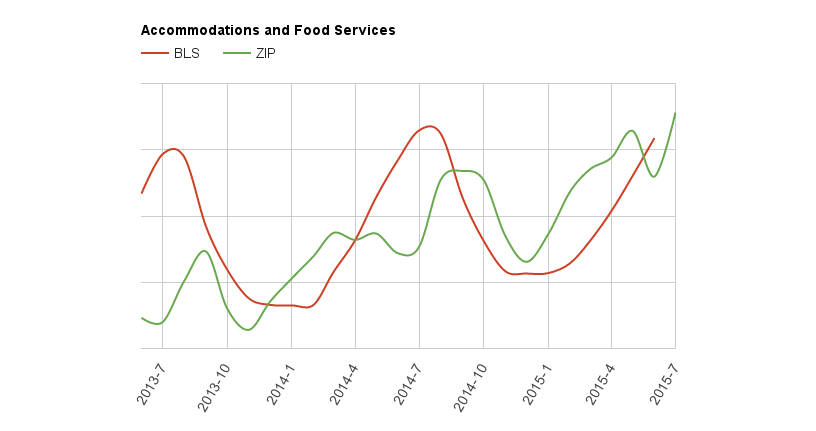
The hospitality industry looks to have a very strong month of hiring in August, which is good news considering unemployment in the sector is running over 3 points higher than overall unemployment.
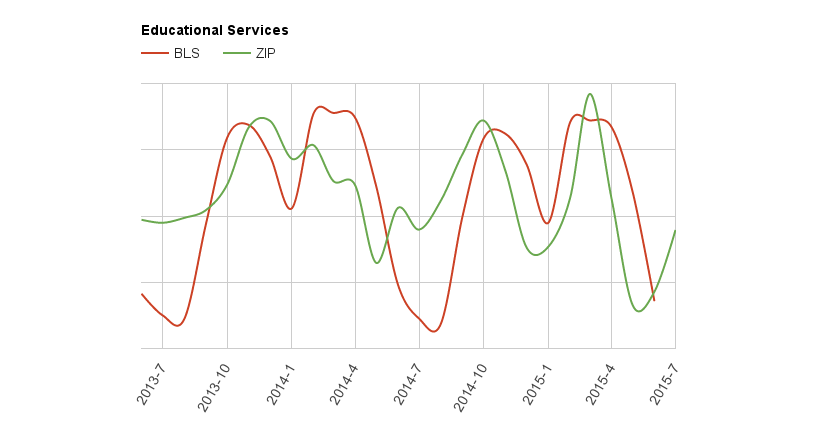
Educational Services looks set for a turnaround in August, as hiring begins to catch up with two straight months of increased demand. Contributing factors are a developing teacher shortage across some sections of the country, as well as the increased availability of tutoring positions.
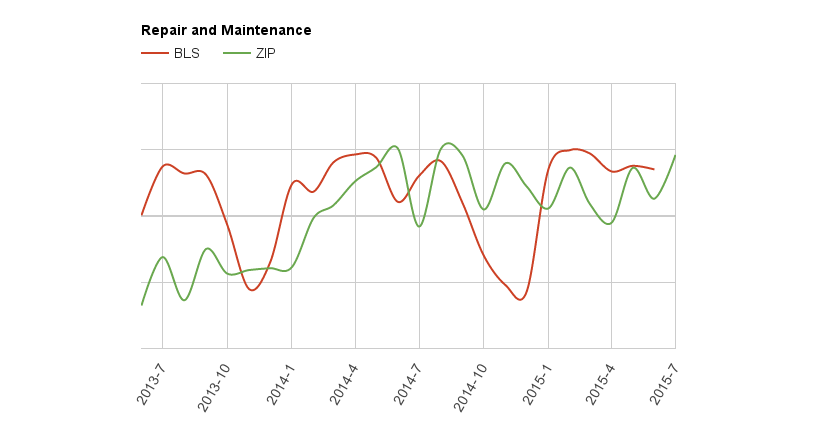
Repair and Maintenance Services – which includes car maintenance – look to have a modest uptick in completed hires in August. The replacement of retiring car mechanics and demand for general cleaning workers are driving the increase.
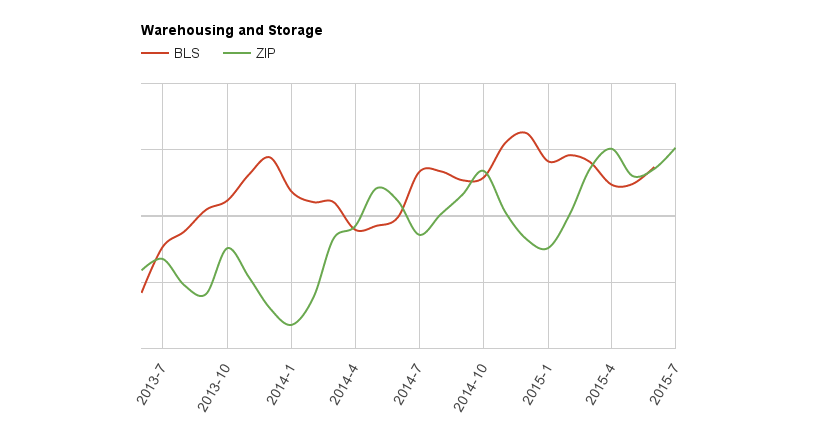
The “Amazon Economy” – those industries related to warehousing and delivery of goods – added 14,000 jobs in July and looks to have another good hiring month in August as demand for employees continues to climb.
The Losers
Insurance Carriers and Related Activities
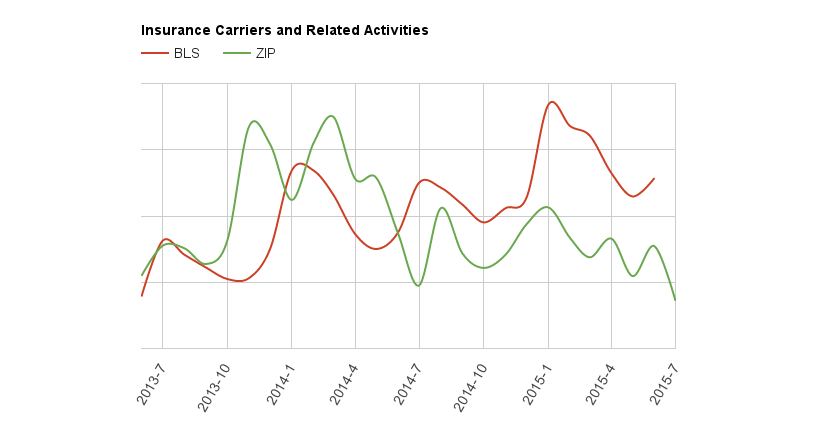
The Insurance industry has added 85,000 jobs this year, but looks to be headed towards a slight downturn headed into late summer and early fall, with overall trendline pointed south.
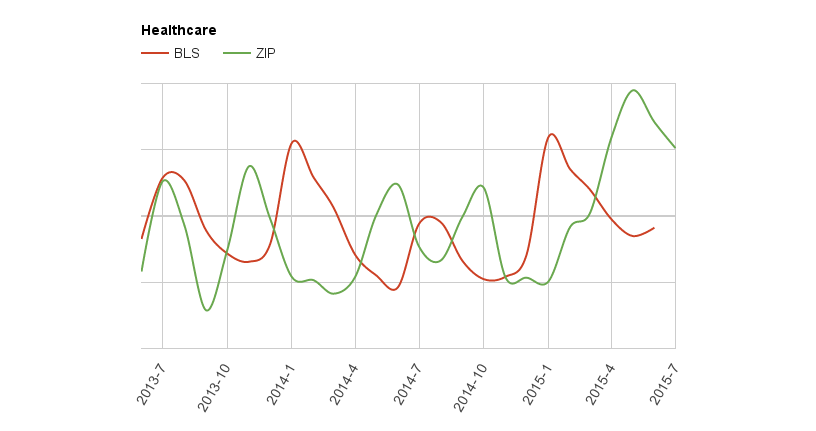
Healthcare added 28,000 jobs in July, but a decline in relative hiring demand indicates the sector’s forward momentum is slowing. Since healthcare hiring tends to be cyclical, long term trends still point to strong job creation through the end of 2015.
Hot Cities for Hiring
The California drought isn’t having a negative effect on hiring demand in the Golden State, as Southern California is holding down the top 3 spots in this month’s list, with the City of Angels leading the way.
The second of the three SoCal hotspots on the list, San Diego has jumped to 1.35% of total U.S. hiring demand.
This Inland Empire metro tails San Diego slightly in overall demand, posting solid gains month over month.
Returning to the list after a short downturn, Phoenix hiring demand has picked up, indicating healthy hiring in August.
The trend of Sunbelt cities leading overall hiring demand continues with Miami, one of two Sunshine State metros on the list.
Texas, which led hiring demand for much of the first part of the year, is now represented solely by Dallas, which has weathered the energy sector downturn better than other Lone Star State cities.
The Tampa Bay area jumps into the top ten as the strength of a vigorous gig economy, even though a slowdown in the Brazilian economy has affected the city’s tourism and energy sectors.
Hiring in the greater Seattle area doesn’t seem to be showing any negative effects from the minimum wage increase there, with an Amazon-fueled tech boom boosting employment.
Solid growth continues in Pittsburgh, despite concerns over slow population growth which has been attributed to the wintry weather the city experiences every year.
Peoria’s aggressive economic development policies seem to be paying off, as the city cracks the top ten this month on the strength of the hiring demand which has increased employment by over 4,000 jobs in the last fiscal year.
The ZipRecruiter National Jobs Report measures current and leading edge demand for employees across fourteen key industries by measuring relative month over month percent changes using the following benchmarks:
- Current Active Jobs – Our representative sample of millions of job postings provides an overview of existing demand for new employees (as opposed to hiring numbers), which provides a snapshot of the previous month’s hiring.
- New Jobs – Our representative sample of new job postings in January provides insight into current and upcoming demand, next month’s hiring numbers, and a predictive look at the demand curve for new employees across twenty-one industries.
- Employer Demand by Metro – We have further broken down these numbers to provide insight into current and upcoming demand for new employees across metropolitan areas nationwide.
- Key Indexed Industries are: Accommodation and Food Services, Business Support Services, Construction, Educational Services, Employment Services, Financial Activities, Health Care, Insurance Carriers and Related Activities, Management of Companies and Enterprises, Manufacturing, Motor Vehicle and Parts Dealers, Repair and Maintenance, Retail Trade, Warehousing and Storage.