Netflix scored a major public relations coup with their announcement earlier in the month that they were implementing an “unlimited” (in actuality, a 12-month) maternity and paternity leave policy, with many lauding them for their progressive stance on an issue which directly affects the economic prospects of working mothers and fathers in the employ of the streaming video giant.
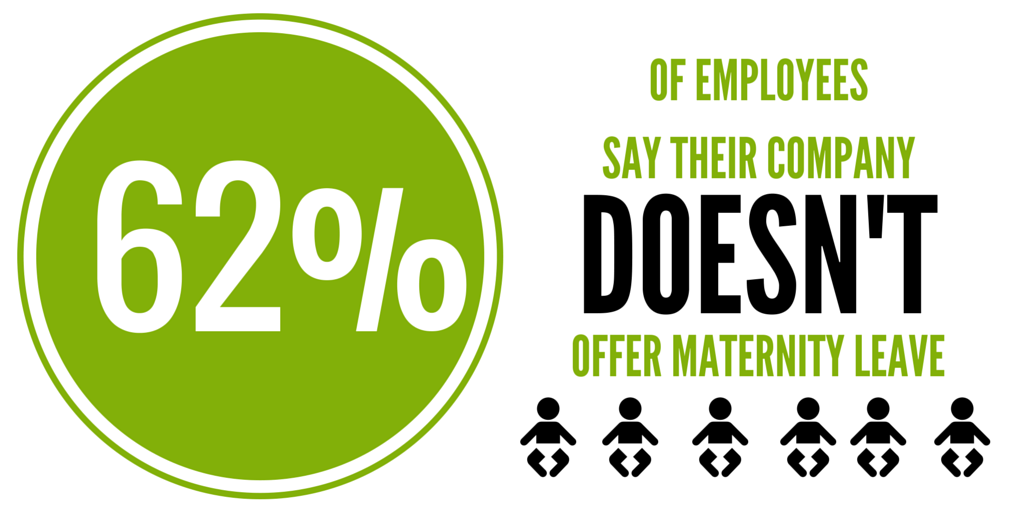
As exciting as this announcement was, it’s important to remember that it represents the voluntary policy of one company, in a country in which only 12% of workers have access to paid maternity leave and, according to a survey of our jobseekers, only 38% have access to maternity leave of any variety.
It’s even worse for low-wage workers, with only 5% eligible for paid leave. Even within Netflix, there is a divide between the haves and have-nots. High-skill workers are covered by this generous new policy, while the lower-skill warehouse workers who provide the manual labor that drives the company’s nearly forgotten – but still hugely profitable – DVD-by-mail service, are not.
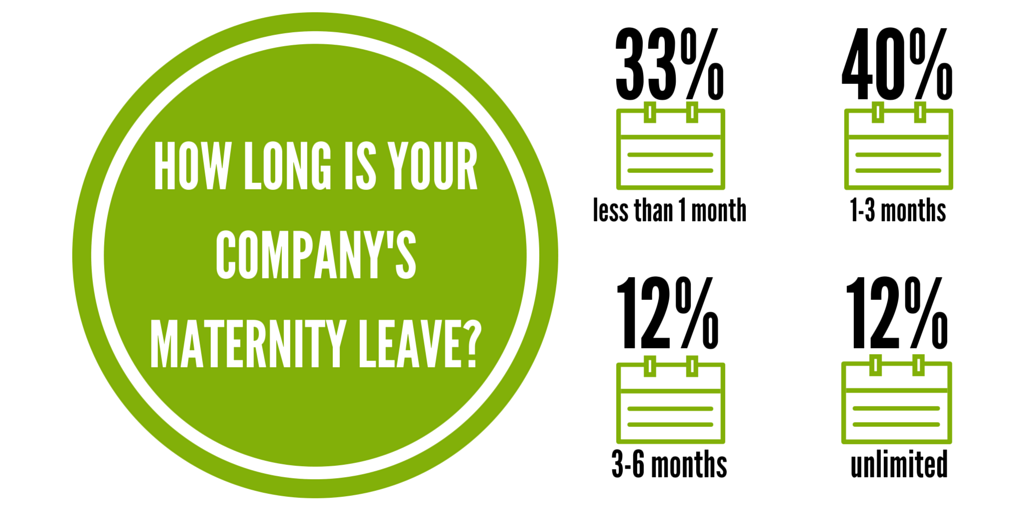
For those lucky enough to have access to family leave, the length of time allotted varies widely, with many workers receiving less than the 12 weeks leave mandated by the Family and Medical Leave Act. In fact, our survey shows that 33.6% of those eligible get less than 1 month of leave and 40.9% receive 1-3 months. On the high end, 12.7% receive 3-6 months, and 12.7% receive unlimited maternity leave.
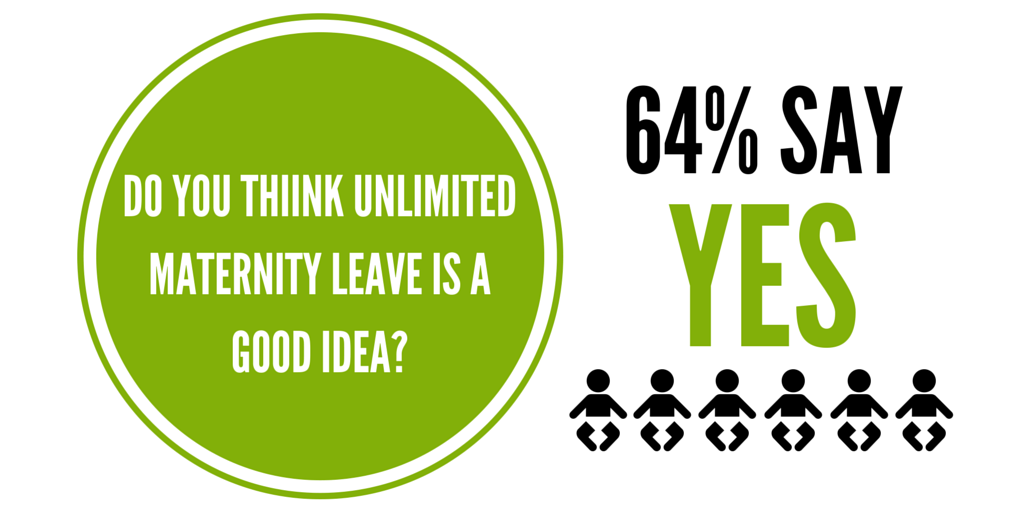
While the availability of maternity and paternity leave varies, one thing is clear – Americans not only think leave is a good idea, they think unlimited leave is a good idea, with 64% of respondents to our survey giving it a thumbs up.
Unfortunately the likelihood of unlimited leave becoming the norm anytime soon is exceedingly small. While tech companies like Netflix see it as a crucial investment in retaining top talent, the competition for workers in lower skill industries will never reach the point that a Chipotle, say, will offer unlimited leave to gain a recruiting edge over Subway.
There’s also little chance the government will step in and mandate paid leave. Beyond the lack of political will to engage in the issue beyond the posturing that accompanies the presidential campaign season, there’s the sticky question of how to fund the widespread adoption of expanded paid maternity leave programs.
That leaves the private sector to address the issue, something which, to its credit, Netflix has done, however imperfectly. Some companies have followed suit in the wake of their announcement, but unless there is a major shift in priorities the U.S. will continue to be, along with Papua New Guinea and Oman, one of the only countries in the world not to mandate paid leave for new parents.