SUMMARY The Instructor, Full-Time Technical Training delivers high-quality technical education ... Apply adult learning theory and learner-centered instructional practices by connecting content to ...
SUMMARY The Instructor, Full-Time Technical Training delivers high-quality technical education ... Apply adult learning theory and learner-centered instructional practices by connecting content to ...

Part-Time Faculty - CPD Allied Health EKG Instructor Teaching Allied Health EKG Instructor - CPD ... Curriculum design in an adult learning environment. Salary Grade: AH Salary is based on the Board ...
Part-Time Faculty - CPD Allied Health EKG Instructor Teaching Allied Health EKG Instructor - CPD ... Curriculum design in an adult learning environment. Salary Grade: AH Salary is based on the Board ...
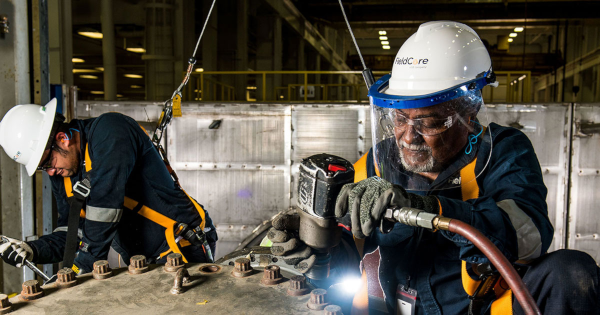
The Technical Field Instructor III will provide state-of-the-art technical training on gas turbine ... Adult Learning Strategies Certification * Energy field service, field engineering, or installation ...
The Technical Field Instructor III will provide state-of-the-art technical training on gas turbine ... Adult Learning Strategies Certification * Energy field service, field engineering, or installation ...
Gas Turbine Instructor
Houston, TX · On-site
The Technical Field Instructor III will provide state-of-the-art technical training on gas turbine ... Adult Learning Strategies Certification * Energy field service, field engineering, or installation ...
Gas Turbine Instructor
Houston, TX · On-site
The Technical Field Instructor III will provide state-of-the-art technical training on gas turbine ... Adult Learning Strategies Certification * Energy field service, field engineering, or installation ...
Gas Turbine Instructor
Houston, TX · On-site
The Technical Field Instructor III will provide state-of-the-art technical training on gas turbine ... Adult Learning Strategies Certification * Energy field service, field engineering, or installation ...
Gas Turbine Instructor
Houston, TX · On-site
The Technical Field Instructor III will provide state-of-the-art technical training on gas turbine ... Adult Learning Strategies Certification * Energy field service, field engineering, or installation ...

Adult Program Instructor
Houston, TX · On-site
$20/hr
A great Instructor is someone who knows the sport, can communicate it clearly, and makes learning feel approachable and fun. ROLES AND RESPONSIBILITIES Responsibility Category Title * Lead adult ...
Adult Program Instructor
Houston, TX · On-site
$20/hr
A great Instructor is someone who knows the sport, can communicate it clearly, and makes learning feel approachable and fun. ROLES AND RESPONSIBILITIES Responsibility Category Title * Lead adult ...

Clinical Nurse Educator
Humble, TX · On-site
$32.75 - $44.75/hr
... instructor resources, and certification records to support employee compliance. * Develops, implements, and evaluates educational programs using evidence-based practice and adult learning principles.
Clinical Nurse Educator
Humble, TX · On-site
$32.75 - $44.75/hr
... instructor resources, and certification records to support employee compliance. * Develops, implements, and evaluates educational programs using evidence-based practice and adult learning principles.

Design integrated learning solutions across instructor-led, digital, simulation, laboratory, and field-based environments * Apply adult learning theory and competency-based design to ensure ...
Design integrated learning solutions across instructor-led, digital, simulation, laboratory, and field-based environments * Apply adult learning theory and competency-based design to ensure ...

Establishment of effective learning environments for adult learners. * Delivery of both didactic ... HS/GED and successful completion of an EMS Academy-approved EMS instructor course and teaching ...
Establishment of effective learning environments for adult learners. * Delivery of both didactic ... HS/GED and successful completion of an EMS Academy-approved EMS instructor course and teaching ...
Clinical Nurse Educator
Humble, TX · On-site
$34 - $46.25/hr
... instructor resources, and certification records to support employee compliance. * Develops, implements, and evaluates educational programs using evidence-based practice and adult learning principles.
Clinical Nurse Educator
Humble, TX · On-site
$34 - $46.25/hr
... instructor resources, and certification records to support employee compliance. * Develops, implements, and evaluates educational programs using evidence-based practice and adult learning principles.
Clinical Nurse Educator
Humble, TX · On-site
$32.75 - $44.75/hr
... instructor resources, and certification records to support employee compliance. * Develops, implements, and evaluates educational programs using evidence-based practice and adult learning principles.
Clinical Nurse Educator
Humble, TX · On-site
$32.75 - $44.75/hr
... instructor resources, and certification records to support employee compliance. * Develops, implements, and evaluates educational programs using evidence-based practice and adult learning principles.
Gas & Steam Turbine Controls Instructor
Houston, TX · On-site +1
$79K - $103K/yr
The Technical Field Instructor III will provide state-of-the-art technical training on {Technology ... Adult Learning Strategies Certification * Energy field service, field engineering, or installation ...
Gas & Steam Turbine Controls Instructor
Houston, TX · On-site +1
$79K - $103K/yr
The Technical Field Instructor III will provide state-of-the-art technical training on {Technology ... Adult Learning Strategies Certification * Energy field service, field engineering, or installation ...
Gas & Steam Turbine Controls Instructor
Houston, TX · On-site +1
$79K - $103K/yr
The Technical Field Instructor III will provide state-of-the-art technical training on {Technology ... Adult Learning Strategies Certification * Energy field service, field engineering, or installation ...
Gas & Steam Turbine Controls Instructor
Houston, TX · On-site +1
$79K - $103K/yr
The Technical Field Instructor III will provide state-of-the-art technical training on {Technology ... Adult Learning Strategies Certification * Energy field service, field engineering, or installation ...
Gas & Steam Turbine Controls Instructor
Houston, TX · On-site
$79K - $103K/yr
The Technical Field Instructor III will provide state-of-the-art technical training on {Technology ... Adult Learning Strategies Certification * Energy field service, field engineering, or installation ...
Gas & Steam Turbine Controls Instructor
Houston, TX · On-site
$79K - $103K/yr
The Technical Field Instructor III will provide state-of-the-art technical training on {Technology ... Adult Learning Strategies Certification * Energy field service, field engineering, or installation ...
Clinical Nurse Educator
$34 - $46.25/hr
... instructor resources, and certification records to support employee compliance. * Develops, implements, and evaluates educational programs using evidence-based practice and adult learning principles.
Clinical Nurse Educator
$34 - $46.25/hr
... instructor resources, and certification records to support employee compliance. * Develops, implements, and evaluates educational programs using evidence-based practice and adult learning principles.
Instructors employed as part-time faculty are not entitled to all the rights, privileges, and ... Curriculum design in an adult learning environment Salary Grade: AH Salary is based on the Board ...
Instructors employed as part-time faculty are not entitled to all the rights, privileges, and ... Curriculum design in an adult learning environment Salary Grade: AH Salary is based on the Board ...
Instructors employed as part-time faculty are not entitled to all the rights, privileges, and ... Curriculum design in an adult learning environment. Salary Grade: AH Salary is based on the Board ...
Instructors employed as part-time faculty are not entitled to all the rights, privileges, and ... Curriculum design in an adult learning environment. Salary Grade: AH Salary is based on the Board ...
... instructor must have at least two (2) years relevant work experience, including basic billing and coding. Preferred Qualifications: * CPC certification. * Curriculum design in an adult learning ...
... instructor must have at least two (2) years relevant work experience, including basic billing and coding. Preferred Qualifications: * CPC certification. * Curriculum design in an adult learning ...

Content Development * Assist in the development, formatting, editing, and maintenance of instructor ... Knowledge of learning and development principles, adult learning concepts, and training ...
Content Development * Assist in the development, formatting, editing, and maintenance of instructor ... Knowledge of learning and development principles, adult learning concepts, and training ...
Content Development * Assist in the development, formatting, editing, and maintenance of instructor ... Knowledge of learning and development principles, adult learning concepts, and training ...
Content Development * Assist in the development, formatting, editing, and maintenance of instructor ... Knowledge of learning and development principles, adult learning concepts, and training ...
Adult Learning Instructor information
What is an adult learning instructor?
Adult Learning Instructors are educators who specialize in teaching adults, often in community colleges, vocational schools, workplaces, or community programs. They design and deliver courses tailored to adult learners, focusing on practical skills, professional development, or personal enrichment. Their teaching methods are typically interactive and take into account the varied experiences adults bring to the classroom. They also assess learning needs, provide support, and help adults achieve their educational or career goals.
What are some common challenges adult learning instructors face when teaching diverse groups of adult learners?
Adult Learning Instructors often encounter classes with varying levels of experience, educational backgrounds, and learning styles. Balancing the needs of all students can be challenging, requiring flexible lesson planning and adaptive teaching methods. Successful instructors use differentiated instruction, foster an inclusive classroom environment, and encourage peer learning to ensure all participants remain engaged and supported. Regular feedback and open communication also help address individual learning needs effectively.
What are the key skills and qualifications needed to thrive as an adult learning instructor, and why are they important?
To thrive as an Adult Learning Instructor, you need expertise in instructional design, curriculum development, and adult education methodologies, usually supported by a degree in education or a related field. Familiarity with learning management systems (LMS), presentation software, and often certifications in adult education or training are highly valuable. Strong interpersonal skills, adaptability, and the ability to encourage and motivate diverse learners set outstanding instructors apart. These skills and qualities are crucial for creating engaging, effective learning experiences that meet the unique needs of adult learners.
What is the difference between Adult Learning Instructor vs Adult Education Teacher?
| Aspect | Adult Learning Instructor | Adult Education Teacher |
|---|---|---|
| Credentials | Typically requires a bachelor's degree, teaching certification, or adult education credentials | Requires a bachelor's degree, teaching certification, and often specialized adult education credentials |
| Work Environment | Community colleges, vocational schools, corporate training programs | Adult education centers, community colleges, nonprofit organizations |
| Employer & Industry | Educational institutions, government agencies, private companies | Public and private adult education programs, community organizations |
| Search & Comparison Intent | Often compared for roles in adult training and education | Similar roles focusing on adult literacy and basic skills |
Both roles involve teaching adults, but Adult Learning Instructors often focus on vocational or specialized training, while Adult Education Teachers typically work on literacy, basic skills, or GED preparation. The credentials, work environments, and employer types overlap significantly, making them closely related careers in adult education.
What are popular job titles related to Adult Learning Instructor jobs in Houston, TX?
For Adult Learning Instructor jobs in Houston, TX, the most frequently searched job titles are:
What job categories do people searching Adult Learning Instructor jobs in Houston, TX look for?
The top searched job categories for Adult Learning Instructor jobs in Houston, TX are:
What cities near Houston, TX are hiring for Adult Learning Instructor jobs?
Cities near Houston, TX with the most Adult Learning Instructor job openings:

Instructor, Full-Time Technical Training (C7 & C12 Programs)
Houston, TX
Full-time
Re-posted 18 days ago
Job description
SUMMARY
The Instructor, Full-Time Technical Training delivers high-quality technical education programs for adult learners in support of AMPP's workforce development, certification, and training goals. This role provides classroom, laboratory, and hands-on practical instruction; evaluates learner performance; applies adult learning principles and student remediation strategies; utilizes instructional technology in classroom and field-based settings; and supports the safe, effective, and compliant delivery of AMPP education programs.
Serving as a technical subject matter expert and workforce development resource, the Instructor promotes consistent instructional quality, learner engagement, adherence to industry best practices, and compliance with applicable AMPP standards, approved course requirements, safety expectations, local regulations, and organizational policies.
The role also supports the preparation, inventory, maintenance, organization, packing, storage, and documentation of technical equipment, instructional materials, and course-related supplies required to ensure training readiness and operational effectiveness.
ESSENTIAL DUTIES AND RESPONSIBILITIES (Other duties may be assigned)
- Deliver classroom, laboratory, and hands-on instruction in assigned technical courses, including AMPP C7 and C12 Programs, in accordance with approved course outlines, instructional standards, assessment procedures, applicable safety requirements, and AMPP policies and procedures.
- Prepare for instruction by reviewing course materials, organizing training spaces, confirming equipment functionality, and ensuring required tools, consumables, exams, and instructional aids are available and ready for use.
- Apply adult learning theory and learner-centered instructional practices by connecting content to prior experience, emphasizing practical application, using problem-centered activities, and promoting learner engagement and accountability.
- Use a variety of instructional methods, including lecture, demonstration, guided practice, discussion, coaching, peer learning, scenario-based exercises, and technology-enhanced learning activities, to support diverse learning needs and levels of technical experience.
- Adapt instructional delivery methods to accommodate diverse learner backgrounds, varying levels of technical experience, and multicultural training environments while maintaining instructional consistency and quality standards.
- Assess learner performance through written exams, practical demonstrations, observation, and other approved methods; provide timely, constructive, and actionable feedback to support skill development and course completion.
- Identify learners who need additional support and implement remediation strategies, including targeted skills practice, individualized coaching, supplemental explanation, structured review, and reassessment as appropriate.
- Integrate instructional technology into training delivery, including presentation software, learning management systems, digital assessments, virtual meeting platforms, simulation tools, and approved field-based technologies used to reinforce learning and document performance.
- Maintain accurate and timely records related to attendance, assessments, remediation, course completion, class results, and other required program documentation.
- Ensure all scheduled class activities are conducted in a timely manner, including labs, quizzes, examinations, and other required learning activities, while maintaining compliance with approved course requirements and required instructional contact hours.
- Protect the confidentiality and integrity of quizzes, final examinations, score sheets, and other testing materials in accordance with AMPP policies and established exam handling procedures.
- Proctor examinations and grade instructor-scored assessments as required; record results accurately and complete required exam and course documentation within established deadlines.
- Complete and submit required AMPP documentation, including Class Results Forms, Instructor Course Material Forms, Equipment Condition/Damage Loss Reports, Course/Lab Facility Forms, packing lists, and other required records.
- Unpack, inspect, set up, test, break down, label, pack, and secure technical equipment, tools, instructional materials, and course supplies before, during, and after training events.
- Conduct routine inventory counts of equipment, materials, consumables, and supplies; document shortages, damage, non-functioning equipment, usage trends, and replacement needs.
- Coordinate the cleaning, inspection, preventive care, organization, and secure storage of technical equipment and instructional materials to ensure safe operation and course readiness.
- Identify malfunctioning, unsafe, damaged, or missing equipment and coordinate repair, replacement, calibration, removal from service, or follow-up reporting in accordance with internal procedures.
- Maintain clean, organized, safe, and secure classrooms, labs, storage areas, and equipment rooms in support of efficient course delivery and responsible asset stewardship.
- Forecast supply and equipment needs for upcoming course deliveries and communicate replenishment, repair, and procurement needs in a timely manner.
- Uphold and enforce AMPP policies, procedures, ethical expectations, instructional protocols, applicable safety requirements, and host facility rules and regulations when conducting training activities.
- Support classroom management and learner discipline in a professional, fair, and consistent manner.
- Collaborate with AMPP staff, co-instructors, hosts, and program partners to support effective course delivery, logistics, and learner experience.
- Assign or coordinate instructional responsibilities with co-instructors when applicable and help ensure the quality and consistency of instructional delivery.
- Remain on site, as required, until examinations are administered, instructor paperwork is completed, and course materials and equipment are properly packed, documented, and prepared for return or storage.
- Upon request, assist with curriculum updates, instructional material improvements, and continuous improvement efforts based on learner feedback, evaluation data, and program needs.
- Provide coaching and complete evaluations for instructors-in-training, apprentices, or other developing instructors when assigned.
- Promote a culture of safety, professionalism, regulatory compliance, and continuous learning throughout all training activities and learner interactions.
- Participate in instructor meetings, required workshops, professional development activities, and other departmental initiatives associated with a full-time instructional role.
SUPERVISORY RESPONSIBILITIES
This position does not typically have direct formal supervisory responsibility for employees; however, the Instructor may provide functional direction, coaching, mentoring, and performance feedback to co-instructors, instructors-in-training, apprentices, and temporary instructional support personnel during course preparation and delivery.
QUALIFICATION REQUIREMENTS
To perform this job successfully, an individual must be able to perform each essential duty satisfactorily. The qualifications listed below are representative of the education, experience, technical competency, certifications, and instructional capabilities required to perform the essential functions of the position. Reasonable accommodations may be made to enable individuals with disabilities to perform the essential functions.
TRAVEL REQUIREMENTS
- Travel within the Kingdom of Saudi Arabia is expected to support course delivery, field-based instruction, customer locations, partner training centers, training events, and related program activities.
- Occasional travel to other Gulf Cooperation Council (GCC) countries may be required based on business needs, customer requirements, and course assignments.
- Travel frequency will vary based on training schedules, operational requirements, and business demands.
Candidates must meet at least one of the following general instructor requirements:
- High school diploma or equivalent plus an additional 10 years of relevant work experience.
- Three-year degree or diploma.
- Professional Engineer (PE) credential or equivalent professional designation.
- Advanced degree, such as a master's or PhD, preferred.
In addition, candidates must:
- Have completed the applicable course(s) and passed any required examination(s) for the course(s) they are authorized to teach, or otherwise provide transcript/record of a reasonable alternative, as determined by AMPP Education.
- Maintain required AMPP certifications for assigned courses, or otherwise provide evidence of a reasonable alternative, as determined by AMPP Education.
- Possess sufficient practical field experience and technical competency to effectively demonstrate course content, evaluate student performance, answer technical questions, and relate instruction to real-world industry applications.
Course-Specific Qualifications: Abrasive Blaster Certification (C7)
Candidates must possess:
- Minimum 5 years of experience in the industrial protective coatings industry, including at least 2 years of full-time industry work immediately prior to becoming an instructor, or a minimum of 10 years of field experience performing abrasive blasting operations.
- Demonstrated field experience with abrasive blasting equipment, surface preparation operations, abrasive media selection and evaluation, quality control activities, inspection practices, troubleshooting, defect identification, corrective actions, and applicable safety requirements.
- Experience applying AMPP, ASTM, and ISO standards related to abrasive blasting, surface cleanliness, surface profile measurement, abrasive media evaluation, and surface preparation quality requirements.
- Ability to effectively demonstrate, evaluate, and instruct students on abrasive blasting equipment, processes, safety requirements, inspection techniques, and industry best practices in both classroom and practical training environments.
- One or more of the following certifications, or a reasonable alternative as determined by AMPP Education:
- Certified Coatings Inspector (CIP Level 2 / PCI Level 2)
- CAS Full Status – Level II
Spray Application Certification (C12)
Candidates must possess:
- Minimum 5 years of experience in the industrial protective coatings industry, including at least 2 years of full-time industry work immediately prior to serving as an instructor/proctor, or a minimum of 10 years of field experience performing industrial coating application operations.
- Demonstrated field experience with coating application equipment, spray system selection, coating application techniques, quality control activities, film thickness measurement, troubleshooting, defect identification, corrective actions, and applicable safety requirements.
- Experience applying AMPP, ASTM, and ISO standards related to coating application, inspection, testing, quality assurance, and coating performance requirements.
- Ability to effectively demonstrate, evaluate, and instruct students on coating application equipment, processes, safety requirements, inspection techniques, and industry best practices in both classroom and practical training environments.
- One or more of the following certifications, or a reasonable alternative as determined by AMPP Education:
- Certified Coatings Inspector (CIP Level 2 / PCI Level 2)
- CAS Full Status – Level II
Preferred Qualifications
- Experience teaching adult learners in technical, industrial, workforce development, apprenticeship, postsecondary, or professional training environments.
- Experience providing learner remediation, coaching, and individualized support.
- Experience utilizing instructional technology to deliver blended, virtual, or technology-enhanced learning.
- Experience delivering training in multicultural, international, or Gulf Cooperation Council (GCC) environments.
- Experience working within industrial, energy, petrochemical, manufacturing, infrastructure, marine, or protective coatings industries.
LANGUAGE SKILLS
Ability to read and interpret documents in English such as safety rules, operating and maintenance instructions, procedure manuals, course guides, and organizational policies. Ability to write routine reports, training records, and correspondence in English. Ability to speak effectively in English before students, partners, and peers and present technical information clearly to audiences with varied levels of knowledge and experience.
MATHEMATICAL SKILLS
Ability to calculate figures and amounts such as percentages, ratios, measurements, and basic course- or inventory-related quantities. Ability to apply practical mathematics to technical instruction, equipment usage, grading, and documentation tasks.
REASONING ABILITY
Ability to solve practical problems and deal with a variety of concrete variables in situations where only limited standardization exists. Ability to interpret and apply written, verbal, diagrammatic, technical, safety, and schedule-based instructions. Ability to evaluate learner performance, determine appropriate remediation approaches, and make sound decisions regarding classroom management, instructional adjustments, and equipment readiness.
OTHER SKILLS and ABILITIES
Demonstrated understanding of adult learning principles, learner-centered instruction, and effective teaching strategies for adult learners in technical environments. Ability to assess learner performance fairly and consistently and to implement remediation strategies that improve learner success.
Must possess strong organizational, communication, and time management skills, including the ability to manage multiple priorities in a dynamic training environment. Must be comfortable with and experienced in utilizing instructional technology in the classroom and/or in the field.
Must be computer literate with experience in word processing, spreadsheets, presentation software, email, and education-related systems. Ability to learn ...